
Project Risk Management & Analysis
Turning uncertainty into informed action
Risk management allows organizations to improve the quality of project management practices and governance, from the decision to invest to final delivery of project outcomes. It promotes dialog between stakeholders and sponsors, and supports realistic approaches, plans and estimates. When implementing or improving risk management, you need to consider your organization’s and project’s risk management maturity, processes, methodologies, structure, culture, technologies and oversight arrangements.
What APP brings is consistency: one method applied across engagements, one evidence standard, and risk reporting that can be traced back to the assumptions behind it. That is what makes a risk register usable in a decision rather than an exercise in compliance.
Why Project Risk Management Matters
Most projects have a risk register. Far fewer have one that informs a decision. The gap usually appears in the same places:
- The risk register is updated for reporting but not integrated with project planning
- Contingency is set as a fixed percentage rather than derived from quantified risk exposure
- Cost and schedule risks are assessed separately, leaving the combined exposure unclear
- Mitigation actions have no assigned owner, target date or defined cost
- Quantitative analysis is performed once at project approval and never refreshed as conditions change
When risk is integrated with planning, cost and project controls, the register stops being a reporting artifact and starts carrying decisions — threats and opportunities seen early, combined cost and schedule exposure quantified, contingency set on evidence, mitigation owned by name, and risk-adjusted forecasts that stay current.
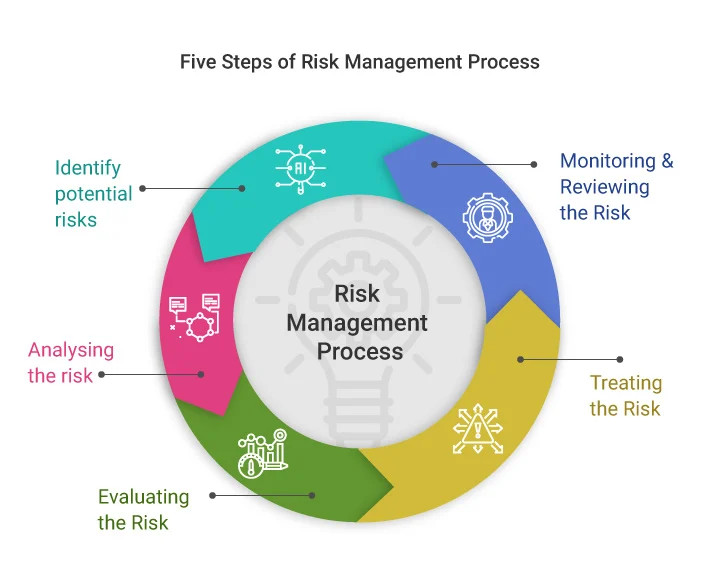
Our Risk Management Approach
We establish practical risk management frameworks tailored to each project’s objectives, complexity and existing capabilities. Depending on project requirements, our scope includes facilitated risk workshops, structured risk registers, qualitative and quantitative assessments, cost and schedule risk modeling, mitigation planning, contingency recommendations and risk-adjusted reporting.
Whether developing a new framework or strengthening an existing process, APP delivers the agreed scope of risk management and analysis, integrating the findings with the wider project controls environment.
Not sure where your risk process stands? We will review it against the size and complexity of your project and tell you what to address first.